
DIY Laminate Installation: Common Mistakes to Avoid
Five mistakes we see people make when installing laminate themselves — and how to avoid them.
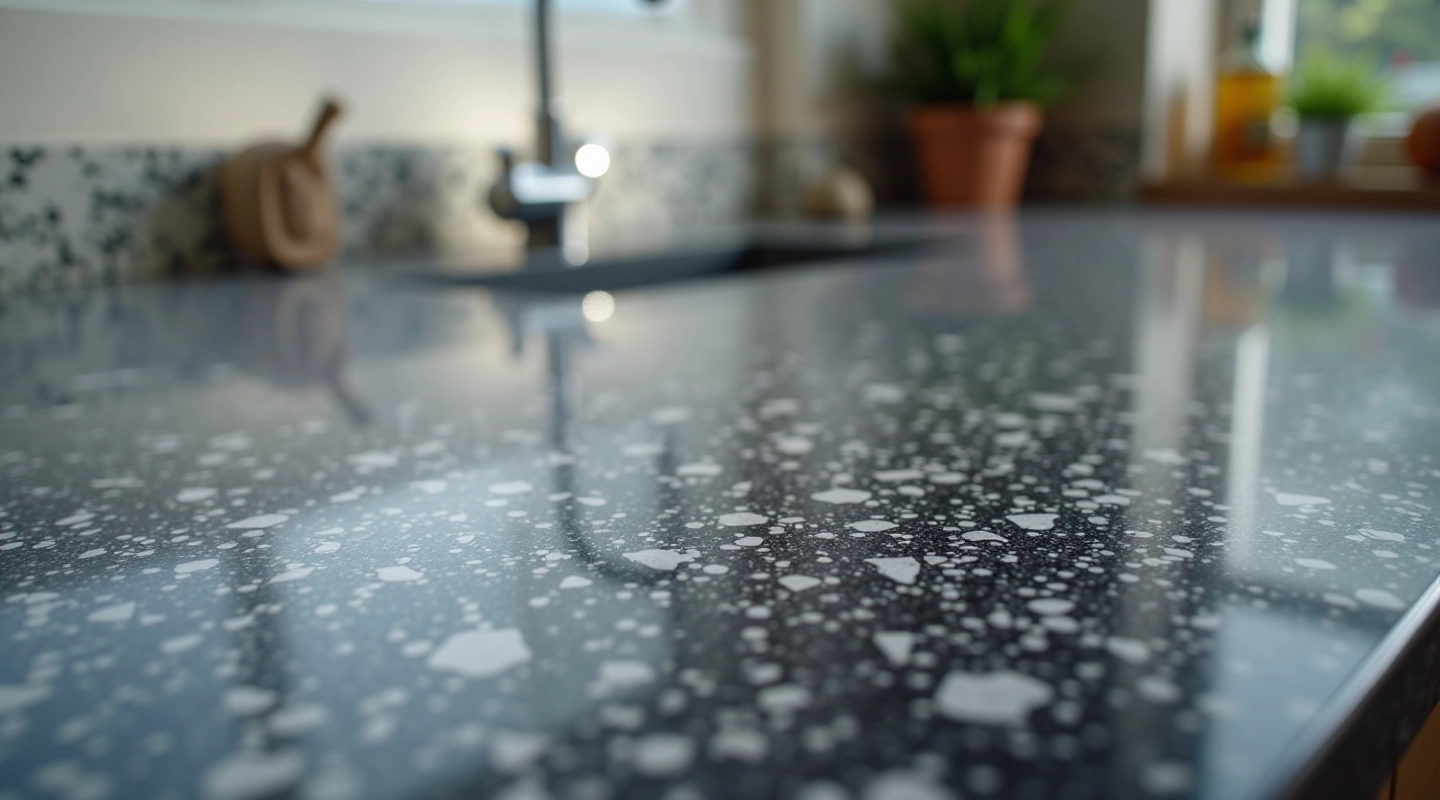
We've compared durability, maintenance, and real costs of both materials. Here's what actually matters when choosing for your kitchen.

By
Editorial Team
Written by the jarnrite editorial team, focused on practical, honest guidance for kitchen countertop renovation.
Granite and laminate sit at opposite ends of the countertop spectrum. Granite's a natural stone that'll outlast most kitchen renovations. Laminate? It's engineered composite — plastic-coated particle board that's affordable and practical, but it won't last as long.
Here's the thing though — "lasting longer" doesn't always mean "worth the investment." We've seen kitchens with laminate counters that looked great for 15 years. We've also seen granite that needed sealing every few months because the homeowner wasn't willing to maintain it properly.
The material you choose depends on your lifestyle, budget, and how much maintenance you're actually willing to do. Let's break down what each one really requires.
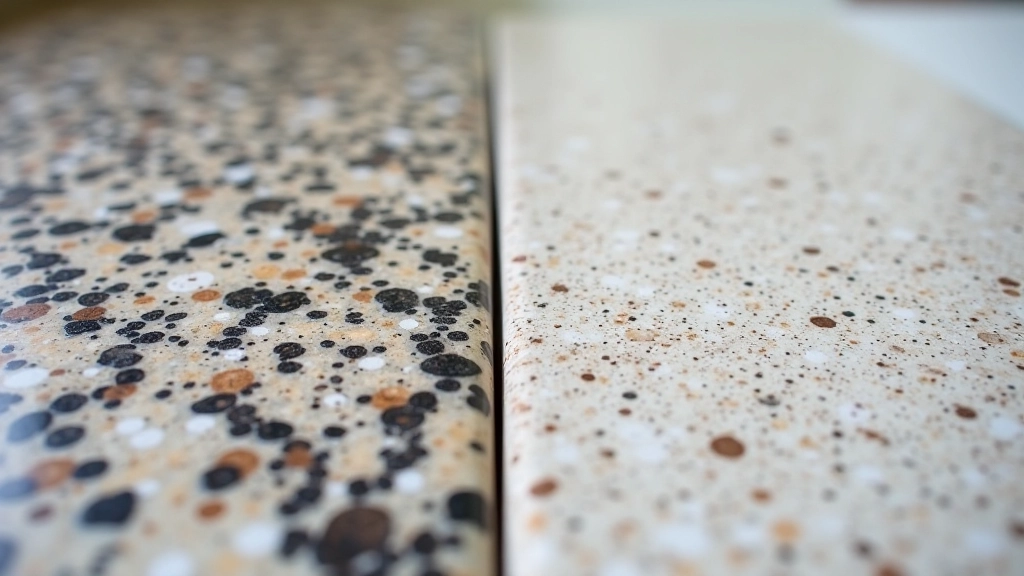
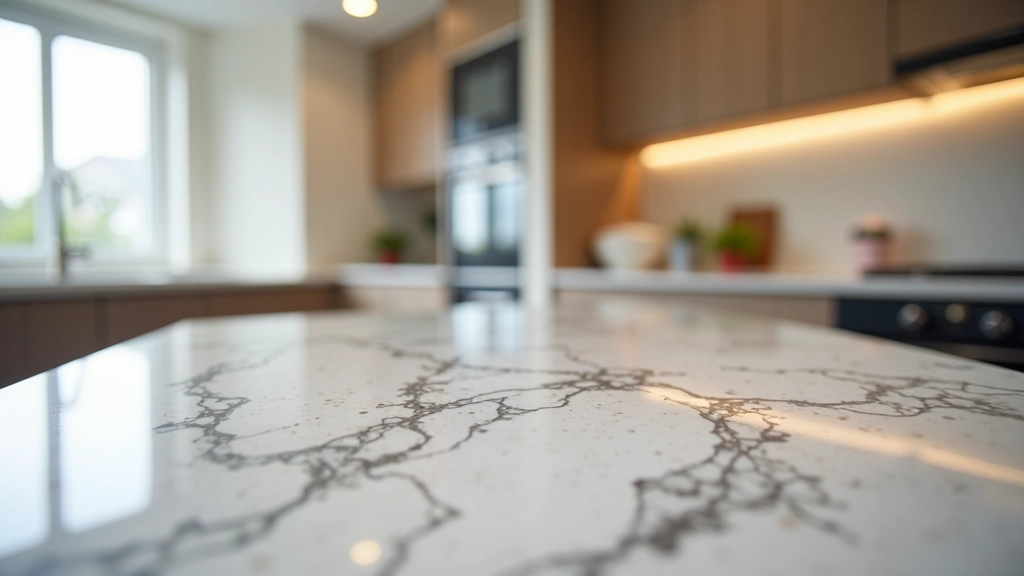
Granite typically lasts 20-30 years in a residential kitchen. Some last longer — we've seen granite counters from the 1990s that are still going strong. That's because granite is literally rock. It doesn't degrade the way manufactured materials do.
Laminate usually holds up for 10-15 years before you'll notice visible wear — scratches that won't buff out, edges starting to peel, the finish getting dull. This isn't a failure, it's just the nature of the material. The plastic coating eventually breaks down under daily use.
But here's where it gets interesting. If you're planning to stay in your kitchen for 20 years, granite makes sense economically. If you might renovate again in 10-12 years? Laminate's probably smarter. You'll replace it anyway, so why spend triple the price now?
This is where people get surprised. Granite requires regular sealing — typically every 1-3 years depending on the stone's porosity. You'll use a granite sealer, which isn't expensive, but you have to remember to do it. Miss it for a few years and you might get staining.
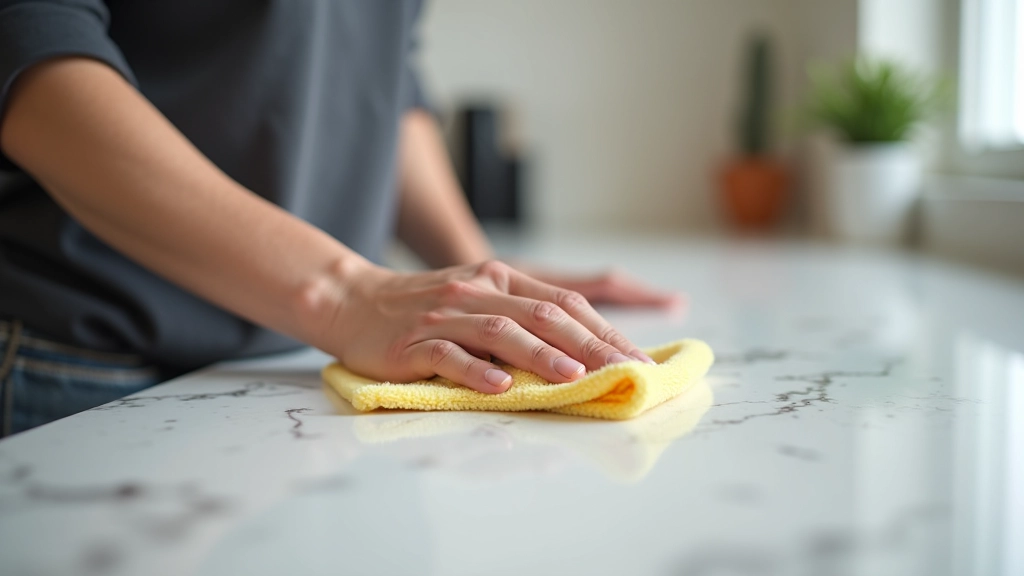
Daily cleaning's simple though. Just wipe it with mild soap and water. Don't use acidic cleaners (vinegar, lemon juice) because they can etch the surface. Don't chop directly on it either — you'll want a cutting board.
Laminate's honestly lower maintenance. Wipe it down with warm soapy water, avoid extreme heat, and you're done. No sealing required. The tradeoff? You can't put hot pans directly on it, and it scratches easier. One careless knife slip and you've got a visible mark that's permanent.
This article is informational and educational in nature. The specific durability, maintenance requirements, and costs of countertop materials can vary significantly based on your location, the specific product selected, installation quality, and how the countertops are used and maintained. Always consult with local countertop professionals, fabricators, and installers for recommendations tailored to your specific situation, climate, and kitchen usage patterns. Actual lifespan and maintenance needs may differ from general guidelines presented here.

Don't just go by durability alone. You've got to think about your actual situation. If you're in a rental or planning a short-term renovation, laminate wins on practicality. It's cheaper, easier to replace, and you won't be stuck maintaining it for decades.
If you're planning to stay put for 20+ years and you actually don't mind the maintenance? Granite's the better long-term choice. The cost per year drops significantly when you divide it across two decades. Plus, granite adds resale value — some buyers specifically look for it.
There's also a middle ground worth considering: engineered quartz. It's not natural stone, but it's more durable than laminate and requires less maintenance than granite. We've seen it hold up really well for 15-20 years.
The real answer? It depends on your timeline, budget, and how much you're willing to maintain. Both materials can serve you well if you choose the right one for your situation.
Five mistakes we see people make when installing laminate themselves — and how to avoid them.

Cost, maintenance, and why quartz might be worth the investment. We break down what makes it different.
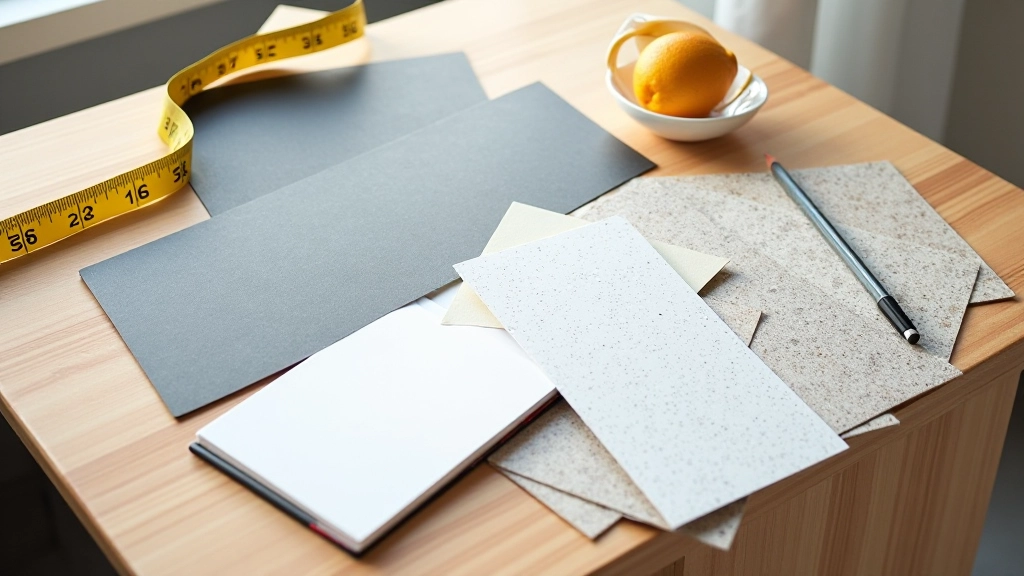
From measuring to choosing materials to finding the right contractor. This checklist covers everything.